
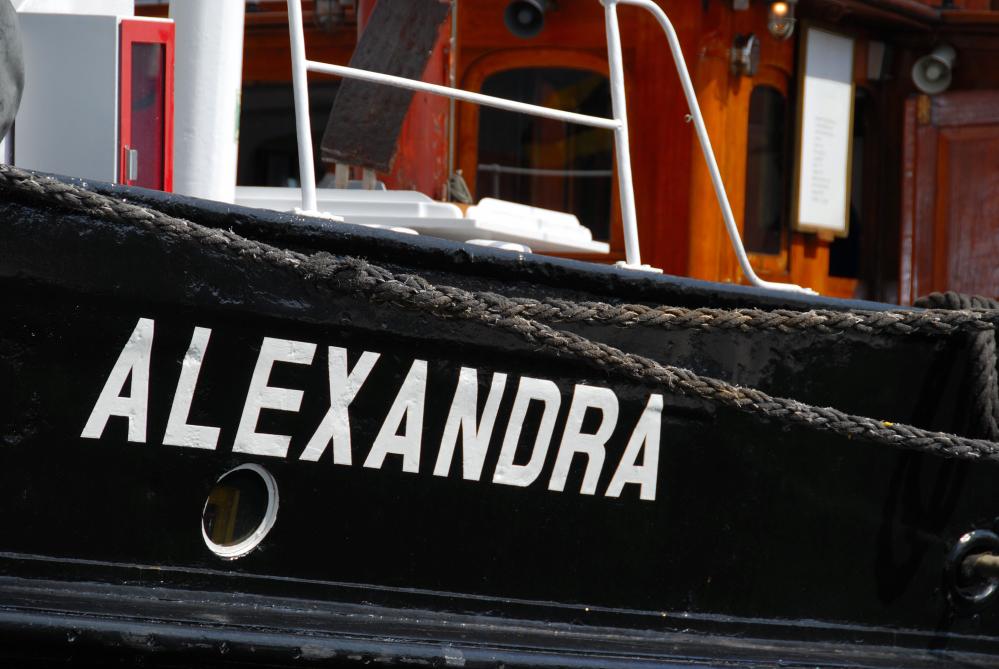
The Importance of Quality Materials for Boat Lettering
As someone who’s spent over 35 years in the marine industry, I can tell you that the quality of your boat’s signage goes hand in hand with the materials used. When it comes to vinyl boat lettering, you want materials that can withstand harsh marine environments. The sun’s ultraviolet rays, combined with the salty sea air, can quickly degrade inferior materials, leading to fading or peeling.
Opting for marine-grade vinyl is crucial. This type of vinyl is designed to be resistant to UV rays, saltwater, and the everyday wear and tear that comes with life on the water. At Yacht Brite Signs, we use only the highest quality materials to ensure that your signage maintains its vibrant appearance for years. Our commitment to quality is what sets us apart in the industry.
There’s a certain satisfaction in knowing your boat’s name is clearly visible and stands the test of time, which is why choosing the right materials from the start is essential. Trust me, it saves a lot of headaches down the line.
Designing Your Vinyl Boat Lettering
Creating the perfect design involves more than just picking a font and color. You’re crafting a statement that reflects your boat’s personality and your own style. At Yacht Brite Signs, we offer a user-friendly design area where clients can experiment with various fonts, colors, and styles, visualizing their masterpiece before committing.
Consider factors such as readability and contrast. The best designs balance aesthetics with functionality. For instance, a bold font might be necessary for names that need to be read from afar, while a lighter, more elegant script might suit leisurely sailboats. Also, think about the placement and size, ensuring the lettering doesn’t interfere with structural elements or safety features.
Personalize your vessel with unique elements like logos or special motifs. These touches not only enhance the boat’s look but also make it distinctly yours. I’ve seen many boat owners’ eyes light up when they see how a well-thought-out design transforms their vessel.
- Choose contrasting colors for maximum visibility.
- Ensure the font size is large enough to be seen from a distance.
- Consider adding symbols or graphics for extra flair.
- Test your design in different lighting conditions.
Installation Tips and Tricks
Successful installation of vinyl boat lettering requires a steady hand and a bit of patience. Based on my extensive experience, here’s how to get it right. First, clean the surface thoroughly. Any dirt or grease can prevent the vinyl from adhering properly, so use a marine-grade cleaner for a spotless finish.
Once the surface is prepped, align the lettering using painter’s tape as a guide. This step is crucial to ensure that everything lines up correctly. Begin by peeling a small section of the backing, applying the exposed part carefully. Gradually peel away the rest, smoothing it out as you go to avoid air bubbles.
For extra peace of mind, consider using a squeegee to apply even pressure across the decals. If you’ve never installed vinyl before, don’t worry; it’s a skill anyone can learn with a bit of practice. And remember, mistakes can happen! Just take off the section and try again–perfection takes time.
After installation, allow the vinyl to rest for at least 24 hours before exposure to water. This curing period ensures the adhesive bonds properly, securing your design for the adventures ahead.
What Are the Common Questions About Vinyl Boat Lettering?
Vinyl boat lettering is a popular choice for boaters, but it comes with its own set of questions. One common question is how long the lettering will last. On average, high-quality vinyl can last between 5 to 7 years, depending on exposure to elements and maintenance.
Maintenance is another frequent concern. Regular cleaning with a gentle soap can prevent build-up that might dull the vinyl’s appearance. Avoid harsh chemicals that can degrade the material over time.
Many boaters also ask if vinyl lettering can be removed without damage. The answer is yes, with the right techniques and tools. Applying heat can help soften the adhesive, making removal easier. However, caution is recommended to avoid damaging the underlying surface or paint.
Finally, boaters wonder if DIY installation is feasible. While professionals can guarantee perfection, many find personal satisfaction in completing the task themselves. By following the right steps, as discussed, DIY installation is entirely achievable.
Why Does Quality Matter in Vinyl Boat Lettering?
Quality is the cornerstone of effective vinyl boat lettering. Inferior products might save you money upfront but often result in costly replacements or repairs. As a marine fabricator, I’ve witnessed the consequences of cutting corners, from peeling decals to prematurely faded designs.
At Yacht Brite Signs, we prioritize quality by using premium, marine-grade materials. Our clients benefit from lettering that not only looks fantastic but endures the elements. Each piece is crafted with precision and care, reflecting our commitment to excellence.
Investing in quality ensures that your boat remains a head-turner, contributing to its overall value and appeal. For boat owners, there’s a certain pride in having lettering that doesn’t just stick but also stands out, making every outing a source of joy and admiration.
Remember, in the marine world, where the environment is unpredictable, quality is not just an option; it’s a necessity that secures the longevity and beauty of your vessel’s identity.
- Choose marine-grade materials for longevity.
- Ensure proper installation to prevent peeling.
- Regular maintenance keeps your lettering looking new.
- Trust professionals when in doubt for the best results.

How Does Vinyl Boat Lettering Hold Up Over Time in Marine Environments?
Vinyl boat lettering, when crafted from marine-grade materials, can withstand the tests of time remarkably well in harsh marine conditions. Unlike standard vinyl, marine-grade options are specifically designed to resist UV rays and saltwater, which are common degraders of outdoor signage. At Yacht Brite Signs, we prioritize quality materials that promise longevity, often enduring from 5 to 7 years or more with proper care. Regular maintenance, such as cleaning with gentle soap and avoiding harsh chemicals, can extend this lifespan. Ensuring quality from the start saves both time and money, preventing the need for frequent replacements.
What Design Elements Should Be Considered for Effective Boat Lettering?
Designing vinyl boat lettering involves a mix of creativity and practicality. At Yacht Brite Signs, we encourage boat owners to think not just about aesthetics, but also visibility and functionality. Choosing contrasting colors enhances visibility from a distance, while an appropriate font size ensures readability. Placement is key–your design should not interfere with structural elements or safety features. For an enticing personal touch, consider incorporating logos or unique graphics. A well-thought-out design can transform your vessel, making it stand out. Imagine the satisfaction of seeing your personalized design become a distinguishing feature of your boat.
Can You Share Some Tips for Installing Vinyl Boat Lettering Successfully?
Installing vinyl boat lettering might seem daunting, but with the right approach, it’s manageable. Start by thoroughly cleaning the boat’s surface with a marine-grade cleaner, ensuring it’s free of dirt and grease. Align your lettering using painter’s tape to guide placement. When applying, peel a small section of backing first, smoothing as you go to avoid bubbles. A squeegee can help with evenly applying pressure. Mistakes? Don’t fret; they happen. Simply peel off and reapply. Allow the vinyl to cure for 24 hours before it encounters water. Patience and precision are your best tools for a flawless result.
Is DIY Installation of Vinyl Boat Lettering a Feasible Option for Beginners?
Absolutely, DIY installation of vinyl boat lettering is feasible for beginners with a steady hand and some patience. At Yacht Brite Signs, we often hear from customers who’ve successfully undertaken this task themselves, finding satisfaction in the process. Following detailed installation guides, like aligning with painter’s tape and using a squeegee, can simplify the task. While professionals can ensure perfection, many boaters find that with practice, DIY application can be both a cost-effective and rewarding experience. Are you considering a DIY approach, or do you find professional installation more appealing?
Why Is Using Quality Materials Crucial for Vinyl Boat Lettering?
Choosing quality materials for vinyl boat lettering is paramount for enduring beauty and function. Inferior vinyl may save money initially, but often leads to issues like peeling or fading, resulting in expensive replacements. At Yacht Brite Signs, we use premium marine-grade materials to ensure our boat lettering withstands the marine environment. The durability and appeal of quality lettering also enhance your boat’s value. By investing in quality, you’re securing a design that stays vibrant and intact, showcasing your boat’s identity for years. Have you experienced the drawbacks of using low-quality materials in the past?
What Are the Best Practices for Maintaining Vinyl Boat Lettering?
Maintaining vinyl boat lettering is straightforward with regular care. Gentle cleaning with mild soaps prevents build-up that dulls the appearance, while harsh chemicals should be avoided to protect the material’s integrity. Regular inspections help catch issues like lifting edges early. At Yacht Brite Signs, we recommend routine maintenance to extend the life of your vinyl lettering. Think of it like grooming a prized car; consistent care ensures aesthetic and functional longevity. Would you like tips on creating a maintenance schedule tailored to your boating habits?
Can Vinyl Boat Lettering Be Removed Without Damaging the Surface?
Yes, vinyl boat lettering can be removed without damaging your boat’s surface, using the right techniques. Heat application, such as a hairdryer or heat gun, softens adhesive, making removal easier. Careful peeling and the use of adhesive removers can help clean any residue. At Yacht Brite Signs, we stress caution to avoid scratching or harming the underlying finish. This process underscores the importance of quality vinyl, as lower-grade options might adhere stronger, complicating removal. Have you ever had challenges removing decals? If so, what methods did you find effective?
How Does Yacht Brite Signs Ensure Customer Satisfaction with Vinyl Boat Lettering?
At Yacht Brite Signs, customer satisfaction is achieved through meticulous craftsmanship and high-quality materials. Our user-friendly design area allows clients to personalize designs, ensuring they meet client expectations. With a quick 24-hour turnaround on orders, we guarantee timely service. Our commitment extends beyond production to post-sale support, providing guidance on installation and maintenance. Our U.S.-made products reflect our pride in delivering durable and visually stunning signage solutions. What would make your experience with custom boat lettering even more satisfying?
Resources
- United States Coast Guard – The official website of the United States Coast Guard, providing information on boating regulations, safety, and more.
- National Marine Manufacturers Association – The homepage of the NMMA, offering resources on boating industry standards and regulations.
- BoatUS Foundation – A non-profit organization focused on promoting safe boating practices and education.
- Trade Only Today – A website covering news and information relevant to the marine industry.